Hornbills (Bucerotidae) in Zimbabwean Folklore

The Southern Yellow-billed Hornbill Tockus leucomelas (pictured top) and the similar Red-billed Hornbill Tockus erythrorhynchus (rufirostris) are common residents of bushveld areas. During the summer breeding season, local people often collect and eat females and chicks trapped within their nest holes, which the birds seal using mud and faeces. As people have observed that the female and chicks are totally reliant upon the male for food provision during much of this time, these birds are often associated with marital fidelity in local tradition. I was also able to corroborate a belief of the Ndau and Shangaan that, as these hornbills appear to have weak flight, they are at the mercy of the wind, which determines the direction that they must follow.

The Trumpeter Hornbill Bycanistes bucinator (pictured bottom) bears the black and white plumage and red facial skin, associated with the spirits, and as such has become another subject of local superstitious belief. This species is largely restricted to wetter forest, woodlands and riverine areas where it feeds on fruit and invertebrates. Their loud calls vary from ‘wails’ and ‘caterwauls’ to ‘screams’ and ‘brays’, leading a number of Karanga, Korekore and Nambya people to believe that this species is a powerful messenger, often foretelling the outcome of a long journey. One particular call is translated as ‘Dzoka, dzoka’ meaning ‘come back, come back’, warning would-be travellers to postpone their journey. If the bird calls vigorously or persistently and makes short flights ahead of one’s path, it is thought to indicate danger ahead, while if the bird calls only occasionally during the trip, then all is expected to be well.

Local names for the Southern Yellow-billed and Red-billed Hornbill in Zimbabwe:

Hoto, Muthlawe – Shona (all dialects)
uKoro – Ndebele
Ngoto – Sotho
Kgoropo – Venda
Korho – Shangaan
Bangwa – baTonga

Local names for the Trumpeter Hornbill in Zimbabwe:

Gakamira, Gangambudzi – Shona (all dialects)
iFlakaka – Nambya
Hakamira – Shangaan
Pongopongo – baTonga

Information for this section was obtained only from interviews with contributors.

The Marakwet people of Kenya believe that the increased calling of the Red-billed Hornbill during the summer breeding season heralds the coming of the rains.

Hornbills of various species are considered as birds of great power in West Africa, where their body parts are widely traded for bushmeat or use in concoctions that provide perceived protection against witchcraft, increase work or business success, or for other physico-medicinal purposes.

Additional Reference:

Cocker, M & Tipling, D. (2013). Birds and People, Jonathan Cape, London, England.

For more information on the species mentioned here visit:

https://ebird.org/species/sybhor1?siteLanguage=en_AU

http://datazone.birdlife.org/species/factsheet/22682384

https://birdsoftheworld.org/bow/species/srbhor1/cur/introduction

https://ebird.org/species/rebhor1?siteLanguage=en_AU

http://datazone.birdlife.org/species/factsheet/22725930

https://ebird.org/species/truhor1

http://datazone.birdlife.org/species/factsheet/trumpeter-hornbill-bycanistes-bucinator
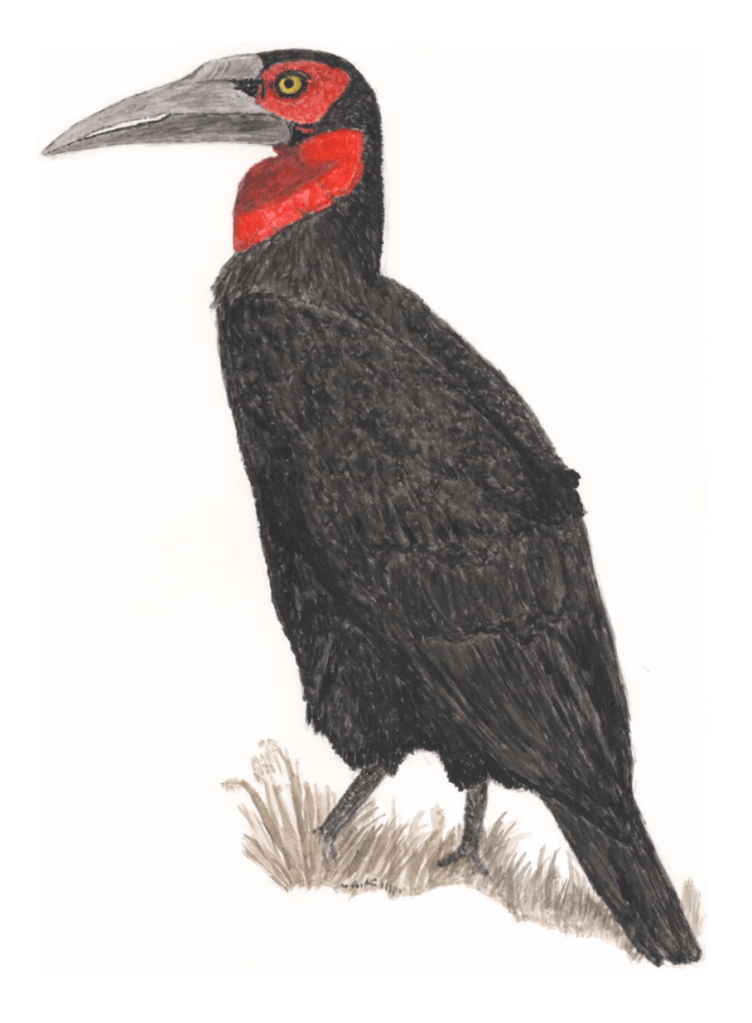
The Southern Ground-hornbill in Zimbabwean Folklore

The Southern Ground-hornbill Bucorvus leadbeateri is a highly respected bird, particularly by the Ndebele people, who have retained many related beliefs of their Zulu forebears. Their habits, large size, and colouration make this a particularly striking species, recognised as a potent spirit medium. Indeed, elders interviewed in the Matobo Communual Lands were able to provide me with a great deal of information pertaining to them.

As their diet includes chameleons and snakes it is thought that this hornbill plays host to an ‘avenging’ spirit. It is also widely believed that they are extremely intelligent and that their preferred method of catching snakes is to entice them to strike at their outstretched wing, depleting their venom and allowing the hornbill to dispatch the reptile without fear of a poisonous bite.

Should a Ground-hornbill wander into, or fly over a village, this would almost certainly signal a bad omen, perhaps foretelling a calamity or death in the family. If one should ever land on the roof of a dwelling, the message would be so powerful that the whole village may be forced to relocate. The Ndebele also believe that if a hornbill is killed, the remaining group will mourn the birds death by continually calling near the perpetrators home, warning of the impending death of a family member in reprisal.

On the other hand, this species is recognised as an important messenger in relation to the procurement of rain by both the Ndebele and Shona. As their breeding season coincides with the onset of the first showers around October, and the frequency of their deep booming duet increases at this time, tribespeople strongly believe that these birds call for the first rains. It is also believed that Ground-hornbills are able to fly high out of the view of the average person and then return to earth uttering their call when they wish to pronounce a change in the weather.

There has been some further local variation in the interpretation of these low-pitched duets and two that were related to me can be roughly translated as follows:

Shona – When the male’s mother-in-law asks him to carry a heavy grindstone (guyo and duri) the other flock members leave him behind as he cannot fly with the heavy load on his back. Starting off, the female is said to complain to the stubborn male: ‘Ndipe, ndipe, ndikugwanzurire’ – ‘Give me, give me, so that I break it for you’, and in turn is answered by the male, ‘Handidi, handidi, ndiongwanzura ndonga’ – ‘I do not want, I do not want, I will break it on my own’. The male stubbornly remains behind and continues to complain – ‘Mm mm mm yamugo-go’ – ‘It’s too heavy, I cannot take off with this load on my back’.

Ndebele – The female calls: ‘Ngiyemuka, ngiyemuka, ngiyemuka, ngiyakwabakithi’ – ‘I am going, I am going, I am going, I am going back to my people.’ The male responds – ‘Hamba, hamba, kadusho’, saying ‘Go, go, go – I have long said so.’ This is said to be the sound of the foraging female complaining to her mate that she is returning to her own family, to which the male then responds.

During years of more serious drought, n’angas may, as a last resort, catch and drown a Ground-hornbill in a deep pool or river in a similar manner to the Bateleur Eagle. The death of the bird is said to awaken the sympathy of the sky, which mourns and weeps, bringing soft soaking rains. Another variation of this practice is to kill a bird and throw the carcass directly into a riverbed. As the flesh of these birds has a particularly strong odour, it is believed that the spirits of the river will be so ‘disgusted’ that they will send floodwaters to wash the remains away. Only traditional practitioners are generally permitted to carry out this practice, and even the feathers are not touched for fear of displeasing the spirits.

Elders also informed me that Ndebele traditional healers use the bones and feathers to make an infusion that is said to calm people of an agitated disposition, while powdered bones are rubbed into an incision in the shoulder to ward off lightning strike. Ground-hornbill remains are occasionally found in traditional markets for such purposes, however should a bird be killed for any reason, the spirits should be appeased by the slaughter of valuable livestock. The droppings are however said to represent good fortune and may be freely collected.

Local names for the Southern Ground-hornbill in Zimbabwe:

Dendera, Gahamadze, Riti – Shona (all dialects)
iNsingizi – Ndebele
iMuntuntule, Hundundule – Kalanga
LeHututu – Sotho
Dandila – Venda
Randaloa, Rhandzala – Shangaan
Momba – baTonga/Nambya

Information for this section was collected only from original interviews with contributors.

Broadly similar beliefs, taboos and practices to those mentioned are shared widely across eastern South Africa, where these birds are also associated with procurement of rainfall as well as being considered as harbingers of ill omen, particularly if harmed. Such consequences may include disease among cattle herds or household misfortune. Ground-hornbill body parts (or concoctions comprising thereof) are also widely used by traditional practitioners to enhance powers of prediction, procure rainfall, or prevent lightning damage.

The heads of Northern Ground-hornbills Bucorvus abyssinicus are also used for similar purposes in West Africa, while in Ethiopia the tail feathers of this species are worn as insignia of male courage and placed on the gravesite of distinguished individuals.

Additional Reference:

Cocker, M & Tipling, D. (2013). Birds and People, Jonathan Cape, London, England.

For more information on the species mentioned here visit:

https://ebird.org/species/soghor1/L915651

http://datazone.birdlife.org/species/factsheet/22682638

https://ebird.org/species/noghor1/

http://datazone.birdlife.org/species/factsheet/22682632

The Secretarybird in Zimbabwean Folkore

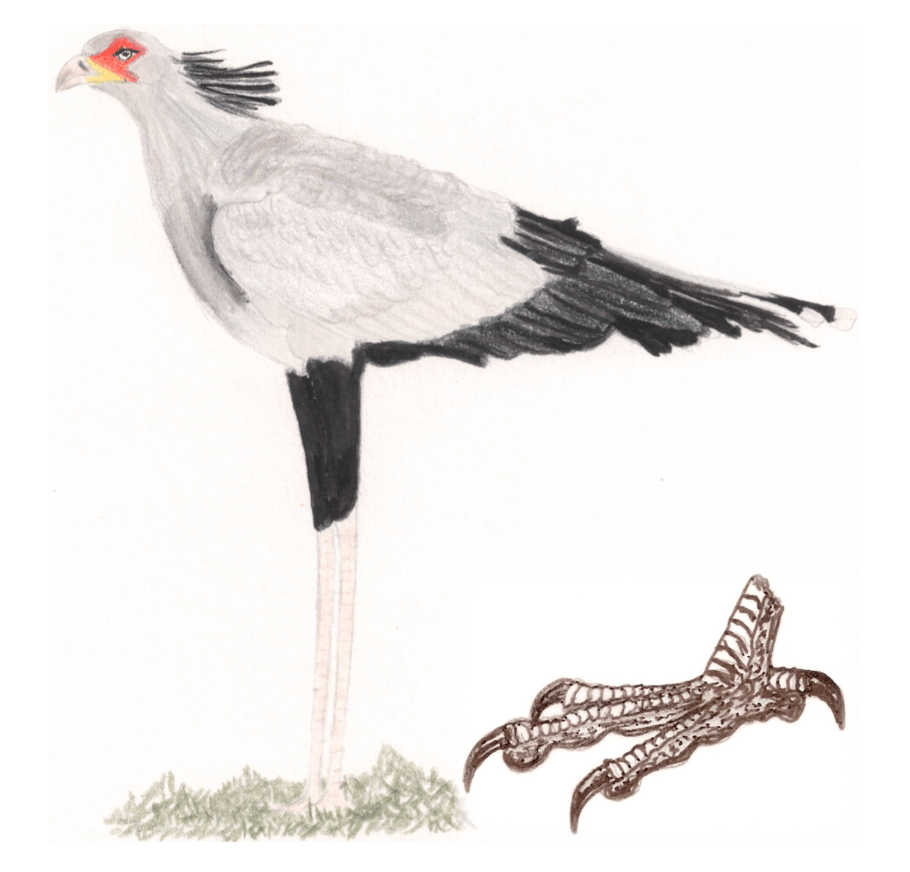
The Secretarybird Sagittarius serpentarius is the single member of the family Sagittariidae. Its common English name may have been derived from the drooping black head plumes that are reminiscent of old-style quill pens placed behind a secretary’s ear. However, it is now thought more likely that the name was actually corrupted from the original Arabic ‘Saqr et-tair’ meaning ‘hunter bird’.

This endangered species is most often encountered in the open grassland areas of Zimbabwe, where their habit of ‘stomping’ and feeding on snakes has led a number of Shona tribes-people to believe that they are generally a friend to man and that they should be protected for this reason. However, contrary to this, it is still considered a bad omen should one of these birds walk across a traveller’s path, usually predicting the impending death of a close relative.

During interviews, some Ndebele people shared their belief that these birds are fond of dancing and will purposefully perform for an audience. This observation may stem from the courtship display of a pair preceding breeding, which may occur in all months of the year with a peak from August to December.

Local names for the Secretarybird in Zimbabwe:

Hwata, Munditi, Mukwasa – Shona (all dialects)
uDwayi – Ndebele
Nju, Thlame – Venda/Sotho
Mampfana – Shangaan
Jule – baTonga

Information on local beliefs for this section was obtained only from interviews with contributors.

For more information on this species visit:

https://ebird.org/species/secret2

http://datazone.birdlife.org/species/factsheet/secretarybird-sagittarius-serpentarius

The Lilac-breasted Roller in Zimbabwean Folklore

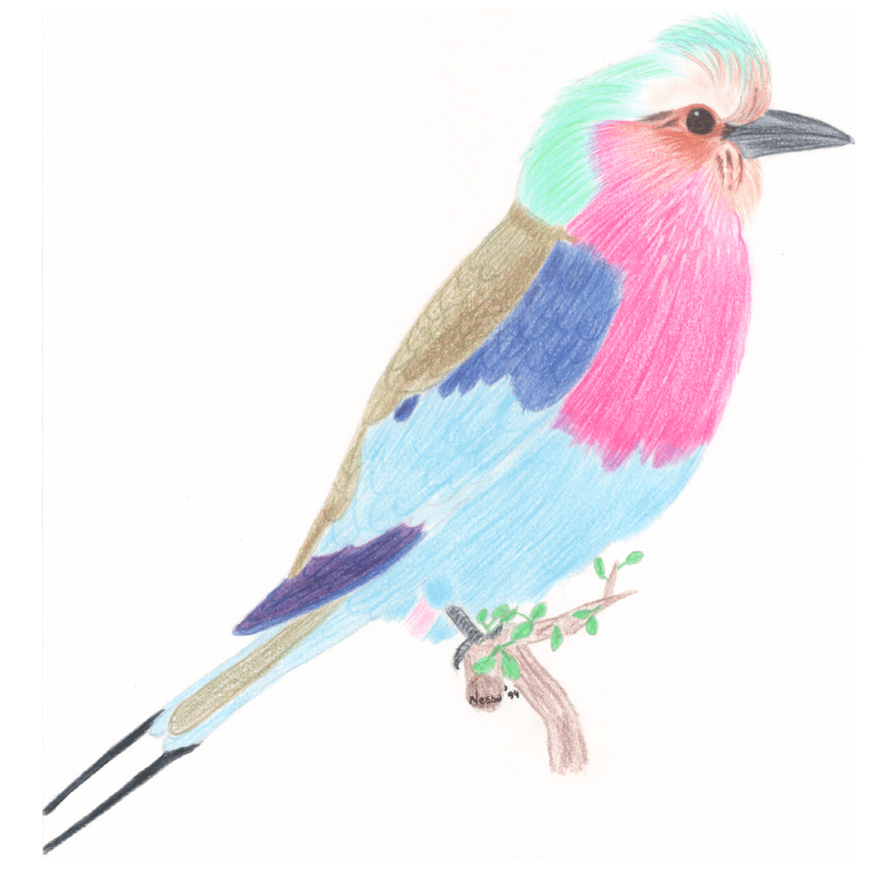
The Lilac-breasted Roller Coracias caudatus (also known as Mzilikazi’s Roller) is perhaps the most vividly coloured of the four roller species found in Zimbabwe, where it is most common in thornveld and mixed woodland, often seen perched on roadside poles. Rollers are named for their courtship flights, during which a pair perform spectacular aerobatic somersaults and manoeuvres. They nest in summer, making use of existing tree cavities.

The beauty of the Lilac-breasted Roller particularly struck Mzilikazi, the king of the Matabele. It was decreed that its iridescent turquoise wing feathers were to be reserved for use in his personal headdress. No individual was permitted to kill this bird except for exclusive use by the king, and thus it became protected under Ndebele law during his reign. While conducting interviews in the Hwange district, I discovered that, despite their beauty, the Nambya dislike these rollers due to their raucous call which is often uttered in flight. They are thought to signify bad luck, particularly if flying in the vicinity of a funeral procession.

Local names for the Lilac-breasted Roller in Zimbabwe:

Gatawa – Shona (all dialects)
iFefe, iFifi, iTshegela – Ndebele
Sikaka – baTonga/Nambya
Matlakela – Venda/Sotho
Bvebve, Thekedwani – Shangaan

Information for this section was obtained only from interviews with contributors.

For more information on this species visit:

https://ebird.org/species/librol2

http://datazone.birdlife.org/species/factsheet/lilac-breasted-roller-coracias-caudatus

Hoopoes in Zimbabwean Folklore

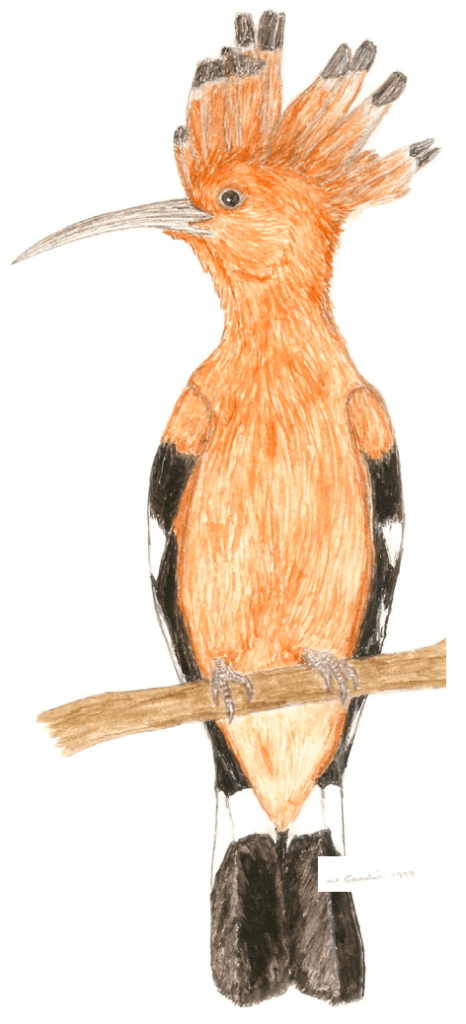
The Common Hoopoe Upupa epops (pictured) is an unusual bird with orange, black and white colouration, long crest and a curved bill used to probe the ground in search of grubs and insects. In Southern Africa, it breeds from August to December in a suitable nest hole and calls frequently during this period, which also roughly coincides with the rainy season. People of Ndebele origin thus believe that this species calls for the rain and it is therefore seldom harmed.

The baTonga and Nambya believe that this hoopoe is a particularly important messenger, closely associated with spirit mediums and that if a dead bird is found it is a sure sign of unease amongst the spirits and a harbinger of impending bad luck.

The sociable Green Woodhoopoe Phoeniculus purpureus is also associated with the spirit mediums, largely due to their raucous ‘cackling’ communication calls. This is reflected in their Ndebele name iNhlekabafazi or ‘laughing women’.

Local names for the Common Hoopoe in Zimbabwe:
Mhupupu, Chigubhubhu, Tuvo, Gugugu – Shona (all dialects)
inVekle, iMvunduna – Ndebele
Pupupu, Marimamalanga – Shangaan
iN’angaya bayuni – baTonga/Nambya

Local names for the Green Woodhoopoe in Zimbabwe:
Haya – Shona (all dialects)
iNhlekabafazi, uNukani –Ndebele
Kolokolwana – Shangaan

Information for this section was obtained only from interviews with contributors.

Common Hoopoes have widely been regarded as a bird of powerful medicine, associated with general virtue, particularly in the Arab world. In ancient Egypt their blood was applied to the eyes to inspire visions and these birds were offered for sale in modern Egyptian markets as late as the 1980’s as a good luck charm. They also continue to be used for various magico-medicinal purposes by the Hausa people of West Africa.

Additional Reference:

Cocker, M & Tipling, D. (2013). Birds and People, Jonathan Cape, London, England.

For more information on the species mentioned here visit:

https://ebird.org/species/eurhoo2?siteLanguage=en_AU

http://datazone.birdlife.org/species/factsheet/common-hoopoe-upupa-epops

https://ebird.org/species/grewoo2/ZW

http://datazone.birdlife.org/species/factsheet/22682667

Nightjars in Zimbabwean Folklore

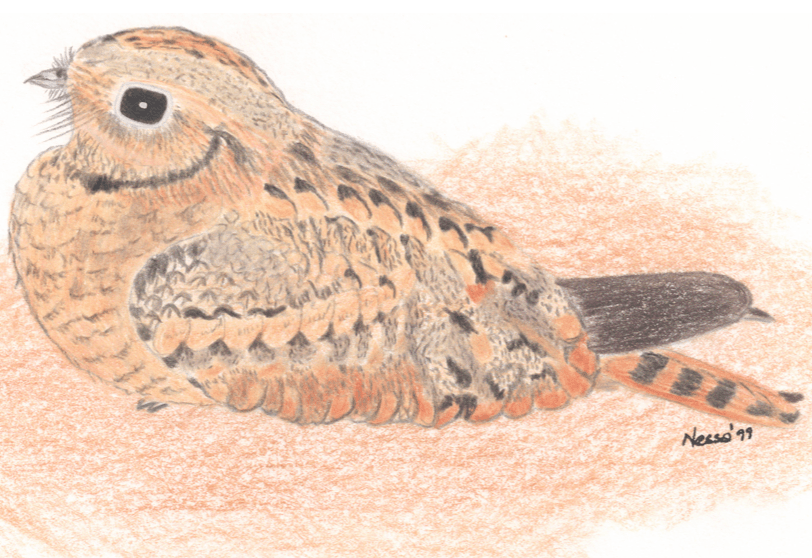
Nightjars are nocturnal insectivores that make use of their large gape to capture prey whilst on the wing. Of the six species that occur in Zimbabwe, most undertake some degree of seasonal or regional movement and are often encountered during the day when disturbed from ground roosts or nests where cryptic colouration prevents detection until they reluctantly take flight. The Mozambique Nightjar Caprimulgus fossii is pictured in a typical pose.

The increased frequency of calling becomes distinctly more noticeable prior to breeding during the wet season, and for this reason many Ndebele people believe that these birds herald the rainfall. However, due to their nocturnal aerial foraging and unobtrusive habits many also treat nightjars with suspicion and it is widely considered to be a bad omen should one of these birds settle on the ground near a homestead or village.

During interviews, people of Shangaan, Ndau and Venda origin related a common local belief that nightjars are particularly unintelligent. A person who continually makes mistakes is thus likened to one of these birds. Traditional practitioners are also said to make a powder from the ashes or eggs for a husband to mix in with the food of a ‘troublesome’ wife in order to make her ‘stupid’ and ensure her obedience.

Local names for nightjars in Zimbabwe:
Ndahwa, Dabgwa, Datiwa – Shona (all dialects)
iDahwa – Ndebele
Liwubawuba – Venda/Sotho
Libwatsani, Ribyatsani, Riwuvawuva – Shangaan
Lukumba – baTonga

Information for this section was obtained only from original interviews.

Additional reference to other sources for the rest of Africa revealed only a common Kenyan belief that bad luck will befall anyone who kills one of these birds or disturbs the eggs.

Additional Reference:

Cocker, M & Tipling, D. (2013). Birds and People, Jonathan Cape, London, England.

For more information on the species mentioned here visit:

https://ebird.org/species/sqtnig1

http://datazone.birdlife.org/species/factsheet/22690016


Owls in Zimbabwean Folklore

Due to their largely nocturnal habits, silent flight and large eyes, owls are traditionally regarded with a high level of suspicion by most Zimbabwean people.

These birds are generally associated with witchcraft and are believed to be familiars of witches and evil spirits who operate under the shadow of darkness. Although the twelve resident species vary considerably is size and habits, all are commonly regarded as harbingers of death or misfortune to some degree. Indeed, I found that this belief may be so entrenched that some people appeared decidedly uncomfortable or even evaded questioning on the subject of owls.

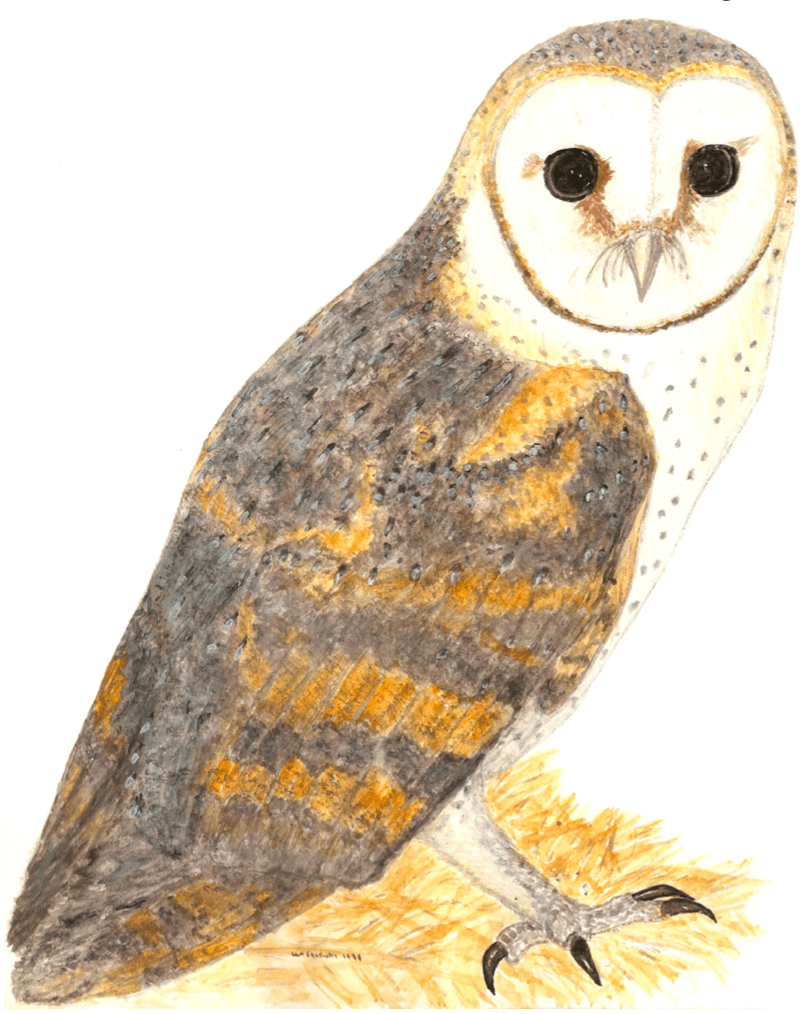
I was able to ascertain that the lower pitched hooting call of the Spotted Eagle-owl Bubo africanus or deep ‘grunt’ of a Verreaux’s Eagle-owl Bubo lacteus instills a deeper feeling of dread than the shrill screech of a Barn Owl Tyto alba (pictured) or the whistling call of the small (and partly diurnal) Pearl-spotted Owlet Glaucidium perlatum. Indeed, the persistent duetting of a pair of Spotted Eagle-owls near a homestead or village has even been known to cause residents to abandon their dwellings. Should an owl call from a perch on a roof, this is considered to be a particularly bad omen, possibly predicting the death of a family member of the occupant. In some instances the possibility of occurrence is prevented by placement of a spike on the apex of a hut, making it impossible for an owl to perch in that location.

It is also believed that should a Verreaux’s Eagle-owl swoop down and strike a traveller on the back of the head, that person may be doomed or will find a relative or friend dead or dying on their arrival home with no possible hope of reprieve. (This belief may have some basis in the fact that these owls may attack any intruder that ventures too close to a nest site).

The eyes of owls are used by some n’angas to make a concoction believed to heal failing eyesight. They may also be used in defensive spells, and for this reason the remains of these birds may occasionally be offered for sale in traditional markets, along with their eggs.

The general fear of owls persists, even in urban areas where they are unfortunately often persecuted by stoning.

Local names for the Verreaux’s Eagle-owl in Zimbabwe:

Chigunda – Shona (all dialects)
uMandukulu – Ndebele
Ligwitha – Venda/Sotho
Khuhunu – Shangaan
Chinchizya – baTonga

Local names for the Spotted Eagle-owl in Zimbabwe:

Jichidza, Chizizimbori – Shona (all dialects)
isiKhova, uMandukulu – Ndebele
Ligwitha – Venda/Sotho
Khuhunu – Shangaan
Kumbatamusamu – baTonga

Local names for owlets and Barn Owl in Zimbabwe:

Zizimagonjwa, uMandukulo, Zizi, Chipotono – Shona (all dialects)
uMundugulu, isiKhova – Ndebele
iGunda – Nambya
Leribisi, Makgolo – Sotho
Lerubisana, Nsoo, Madzukuya – Shangaan
Tumba, Chikova, Polo – baTonga

Information for this section on owls was obtained from contributors as well as Bozongwana (1983).

Reference:

Bozongwana, W. (1983). Ndebele religion and customs (1st ed.). Mambo Press, Gweru, Zimbabwe.

Similar beliefs to those discussed are shared throughout Africa, however some people do recognise owls as beneficial due to their effective control of agricultural pests. Their body parts are also widely used as a foundation for defensive spells, the heart being considered as particularly potent in Cameroon. The feathers may also sometimes be worn as a protecting amulet against witches that have assumed owl form, or owl familiars acting at their behest.

Additional References:

Cocker, M & Tipling, D. (2013). Birds and People, Jonathan Cape, London, England.

Mikkola, H. (2021). Owl Knowledge and Beliefs in Africa, Tyto : 9-33.

For more information on the species mentioned here visit:

https://ebird.org/species/veeowl1/TZ

http://datazone.birdlife.org/species/factsheet/verreauxs-eagle-owl-bubo-lacteus

https://ebird.org/species/spoeao2?siteLanguage=en_AU

http://datazone.birdlife.org/species/factsheet/spotted-eagle-owl-bubo-africanus

https://ebird.org/species/brnowl?siteLanguage=en_AU

http://datazone.birdlife.org/species/factsheet/common-barn-owl-tyto-alba

https://ebird.org/species/pesowl1

http://datazone.birdlife.org/species/factsheet/pearl-spotted-owlet-glaucidium-perlatum

Cuckoos and Coucals in Zimbabwean Folklore

Thirteen species of cuckoo may occur in Zimbabwe during the summer months, however only six of these could be considered as relatively common.

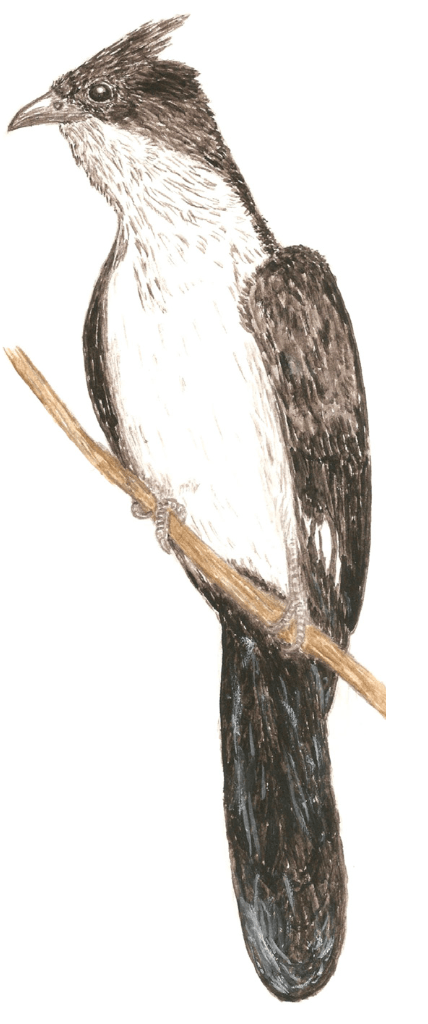
The Levaillant’s Cuckoo Clamator levaillantii and similar Jacobin Cuckoo Clamator jacobinus (pictured) are relatively common migrants to southern Africa, where they are active brood parasites from October to May, being particularly noisy at this time, uttering a loud and striking call. As their arrival coincides with the beginning of the wet season many local people believe that these calls serve to summon the rainfall, and indeed the Ndebele and Kalanga believe that no rain will arrive should one of these birds be killed. In addition, the presence of these cuckoos is regarded as particularly significant as it is thought that they may only drink rainwater that has collected in tree hollows, or from water droplets on leaves.

The Red-chested Cuckoo Cuculus solitarius is normally present from September to February. This bird is seldom seen, but is generally recognised by its plaintive three-syllable ‘Piet my vrou’ call, which may persist throughout the night. It is widely believed that this call heralds the rain and signals that ploughing of the fields should commence in preparation for planting.

The related Senegal Coucal Centropus senegalensis is a resident breeding species that nests during the rainy season, when are also particularly vocal, producing loud ‘bubbling’ duet calls. For this reason, they are also considered as important harbingers of rain in areas where they occur.

Local names for the Levaillant’s and Jacobin Cuckoo in Zimbabwe:

Haya, Hwaya, Dawa – Shona (all dialects)
iNkanku – Ndebele
Hunyi, Tatamagova – Shangaan
Klwa – baTonga/Nambya

Local names for the Red-chested Cuckoo in Zimbabwe:

Kukudza – Shona (all dialects)
iNkanku, umKubani – Ndebele
Tsheketani – Shangaan

Local names for the Senegal Coucal in Zimbabwe:

Murenda – Shona (all dialects)
uFukwe, umFuku, umGugwane – Ndebele

Information for this section was obtained only from original interviews with contributors. While the cuckoos and Senegal Coucal were found to be commonly recognised as important ‘rain birds’, a number of other taxa were also mentioned in this regard. These included the swallows and bee-eaters, many of which are migratory, arriving prior to the rains. I was however unable to corroborate this with more than three separate individuals and so omitted them. These birds will be discussed at a later stage.

Additional information on the Red-chested Cuckoo and Senegal Coucal for other parts of Africa is included below.

In a similar vein to both Zimbabwean and South African communities, the Marakwet people of western Kenya consider the Red-chested Cuckoo as a harbinger of precipitation for the upcoming growing season, and the call is described as ‘a voice that predicts rain’. Other Kenyan tribes share similar beliefs, the Kikuyu translating the call as ‘Where do I sow the seed?’

In West Africa, the Bassar of northern Togo associate the Senegal Coucal with laziness due to its skulking habits and relatively weak flight. Here the local name ‘natu’ likens it to a fool or idiot. However, in contrast, this species is considered an important totem in Benin, where their remains are often offered for sale in traditional markets.

Additional Reference:

Cocker, M & Tipling, D. (2013). Birds and People, Jonathan Cape, London, England.

For more information on the species mentioned here visit:

https://ebird.org/species/levcuc1

http://datazone.birdlife.org/species/factsheet/22683808

https://ebird.org/species/piecuc1?siteLanguage=en_AU

http://datazone.birdlife.org/species/factsheet/22683800

https://ebird.org/species/reccuc1

http://datazone.birdlife.org/species/factsheet/22683862

https://ebird.org/species/sencou1

http://datazone.birdlife.org/species/factsheet/22684284

The Grey Lourie in Zimbabwean Folklore

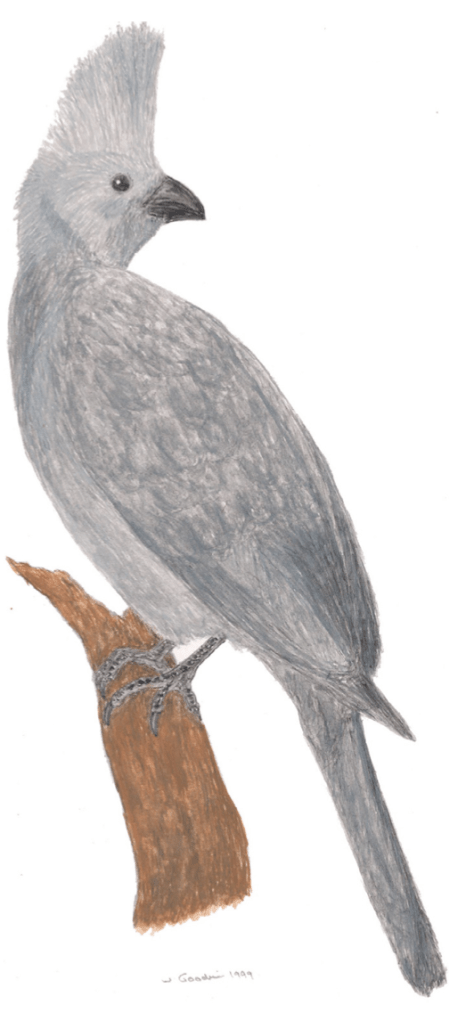
The Grey Lourie, or Grey Go-away-bird Corythaixoides concolor is the commonest and most widespread of three turaco species that occur in Zimbabwe, being found in most habitats, except forest.

People belonging to most ethnic groups believe that this is the ‘policeman’ of the birds due to its habit of warning animals of a hunter’s approach with its ‘go – away’ call. For this reason it is treated with disdain by some. Conversely, many Shona and Ndebele regard this bird as a beneficial messenger, since it may warn of impending danger, particularly when observed calling and flying in circles ahead of one’s path.

Obscurely, many baTonga and Nambya people believe that if a person looks or points at a Go-away-bird and laughs, they will later sustain injury to a leg or foot.

Ndebele isangomas are also said to prescribe the smoking of their feathers as a cure for chest ailments and these birds may be specifically hunted for this purpose.

Local names for the Grey Lourie in Zimbabwe:

Sviravava, Kuwe, Pfunye – Shona (all dialects)
umGuwe – Ndebele/Kalanga
Simkulwe – Nambya
Mukuwe – Venda/Sotho
nKwenyana – Shangaan
Chamcurure – baTonga

Information for this section was obtained from interviews with contributors only.

For more information on this species visit:

https://ebird.org/species/grygab1?siteLanguage=en_AU

http://datazone.birdlife.org/species/factsheet/grey-go-away-bird-corythaixoides-concolor

Doves in Zimbabwean Folklore

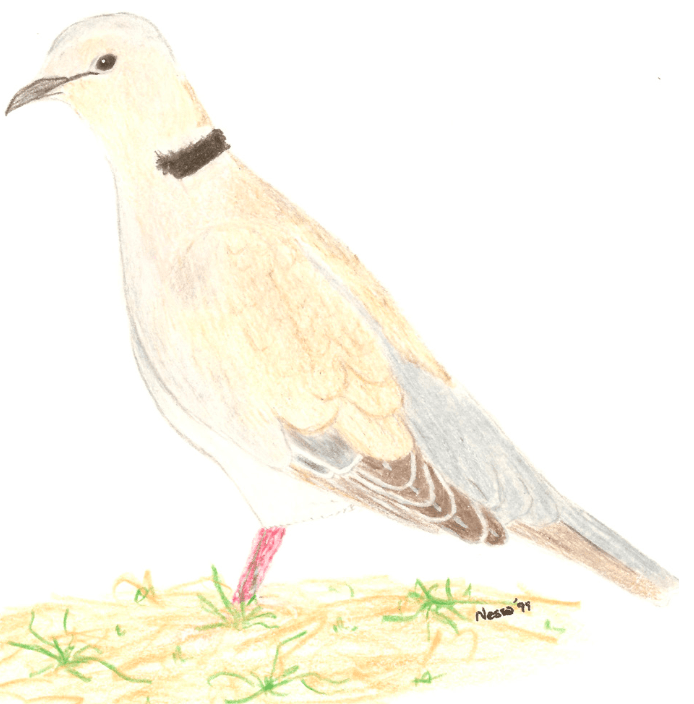
Doves are almost universally considered as symbols of peace and unity, and this is indeed generally reflected in Zimbabwean folklore. However, they are also regarded as important harbingers, and of the nine species found in the country, the Ring-necked Dove Streptopelia capicola (pictured) and Emerald-spotted Wood-dove Turtur chalcospilos are the two most well recognised in this regard.

A general pattern that emerged from interviews is that the presence of a single dove signifies bad luck, while a pair represents good luck.

A Ring-necked Dove seen to ‘hang’ its head is taken as a sure sign that bad luck will befall the observer, while if a single dove flies in and perches on a homestead and then immediately departs, a single visitor should soon be expected.

Another common belief that I identified is that the call of a single Ring-necked Dove heard near the home heralds an impending visit, while some Venda informed me of their belief that a single dove calling predicts misfortune or bad luck. However, if a pair of doves is observed nearby this foretells good luck or peace in the home.

A further belief, shared by many Ndebele, is that a dove or pigeon resting on one foot heralds bad luck. Persons who keep doves or pigeons are however perceived to be good and trustworthy individuals.

The call of the Emerald Spotted Wood-dove is thought by some Ndebele to predict the death of a family member, and is roughly translated as ‘my mother is dead, my father is dead, my whole family is dead’. This bird is disliked for this reason.

Local names for the Ring-necked Dove in Zimbabwe:

Njiva, Bvukuitwa, Vhukuti – Shona (all dialects)
iCelegwana, iJuba – Ndebele
iNziba, iTuba – Nambya
Leibakgorwana – Venda/Sotho
Chingugani – baTonga

Local names for the Emerald-spotted Wood-dove in Zimbabwe:

Njivamutondo – Shona (all dialects)
iSapipwa – Ndebele
Chipipwa – Nambya
Leiba – Venda/Sotho
Chibili – baTonga

Information for this section on doves was obtained only from interviews with contributors.

For more information on the species mentioned here visit:

https://ebird.org/species/rindov?siteLanguage=en_AU

http://datazone.birdlife.org/species/factsheet/22690488

https://ebird.org/species/eswdov1

http://datazone.birdlife.org/species/factsheet/22690621