Below are Zimbabwean names for birds corresponding with those that begin with the letter ‘S’ in the English vernacular. These local bird names were obtained from personal communication with contributors, as well as reference to lists contained in Cooke (1970) and Maclean (1985). These are not exhaustive and may be subject to minor errors.
Links to further information pertaining to each group or taxa are included.
Sandgrouse (Generic)
iKwalakwala; inKwali – Ndebele
Setlalawe – Venda/Sotho
Xighwaraghwara – Shangaan/Tsonga
Chikwalkwalu – baTonga
http://www.biodiversityexplorer.info/birds/pteroclidae/index.htm
Sandpipers (Generic)
N’wantshekutsheku; Xitsatsana; Xitshekutsheku – Shangaan/Tsonga
http://www.biodiversityexplorer.info/birds/scolopacidae/index.htm
Secretarybird
Hwata; Munditi; Mukwasa; Mampfana – Shona (all dialects)
uDwayi – Ndebele
Nju; Thlame – Venda/Sotho
Mampfana – Shangaan/Tsonga
Jule – baTonga
http://www.biodiversityexplorer.info/birds/sagittarius_serpentarius.htm
Shrikes
Shrike (Fiscal)
Korera – Shona (all dialects)
iLunga – Ndebele
Juka; Rhiyani – Shangaan/Tsonga
Simulasozi – baTonga
Shrike (Long-tailed / Magpie)
Djgwechkwe – Shona (all dialects)
iTshilobi – Ndebele
Ncilongi – Shangaan/Tsonga
Sekeleseya – baTonga
Shrike (Southern white-crowned)
Chisamaura – Shona (all dialects)
Nkululamutwe – baTonga
http://www.biodiversityexplorer.info/birds/laniidae/index.htm
Shrike-like taxa
Southern Boubou
Chigamaura; Chinyamburo – Shona (all dialects)
iBilibomvu – Ndebele
Hwilo, Samjukwa, Xighigwa – Shangaan/Tsonga
Chikelekele – baTonga
Puffback
Mukuruwobhuku – Shona (all dialects)
Phavomu – Shangaan/Tsonga
Retz’s helmet-shrike
Chipololongwe – baTonga
Urhiana – Shangaan/Tsonga
White-crested helmet-shrike
Chiteveravadzimba; Mashoranyama; Shavishavi; Mariyani – Shona
iHolanyama – Ndebele
Masula-bayeni – Venda/Sotho
Urhiana – Shangaan/Tsonga
Mpongozyathengwe; Lungulungwa – baTonga
http://www.biodiversityexplorer.info/birds/malaconotidae
Sparrows (Generic)
Inzwaunzwe – Shona (all dialects)
uMayadi – Ndebele
Lemphorokgohlo – Venda/Sotho
Mbolowi – baTonga
http://www.biodiversityexplorer.info/birds/passeridae/index.htm
Sparrow-weaver (White-browed)
uMayadi – Ndebele
iNsoswani – Nambya
Nsansa – baTonga
http://www.biodiversityexplorer.info/birds/ploceidae/plocepasser_mahali.htm
Sparrowhawk (Generic)
Rukodzi – Shona (all dialects)
uMahlewane – Ndebele
Lunga – baTonga
http://www.biodiversityexplorer.info/birds/accipitridae/accipiter.htm
Starlings (Glossy / Generic)
Hwirigwiri; Hwidzikwidzi; Hwidzikuyozi; Svigonde – Shona
Hudzululu – Shona (Kalanga)
iKhwezi – Ndebele
Liholi; Legodi – Venda/Sotho
Kwezu; Kwezu-leri-tsongo; Kholowane – Shangaan/Tsonga
Nkulyukulyu; iMpiye – Nambya
Chikuyanongo – baTonga
Starling (Burchell’s)
Kwezu-leri-kulu – Shangaan/Tsonga
Starling (Meve’s)
Mwazea – Shona (all dialects)
iTshilobi – Ndebele
Kwezu – Shangaan/Tsonga
Mpiye – baTonga
Starling (Red-winged)
Gwitso – Shona (all dialects)
iNsomi – Ndebele
Kwezu – Shangaan/Tsonga
Syobobo – baTonga
Starling (Violet-backed)
Nguringa; Hwirigwiri – Shona (all dialects)
Xinwavulombe – Shangaan/Tsonga
Zengule – baTonga
http://www.biodiversityexplorer.info/birds/sturnidae/index.htm
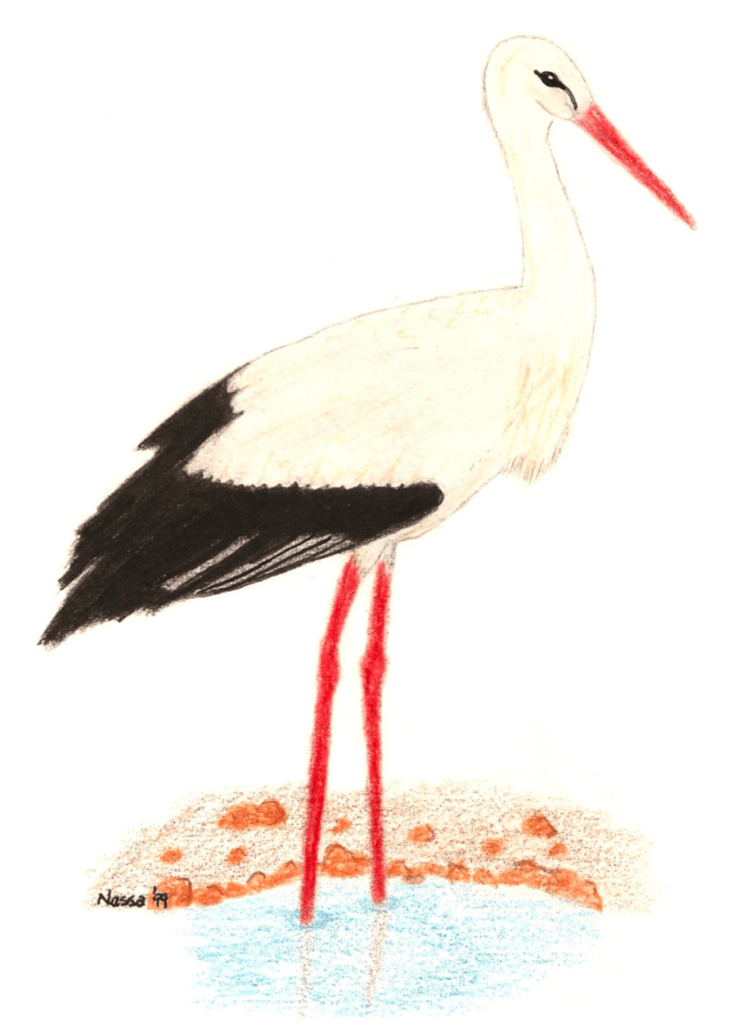
Storks (Generic / White & Abdim’s)
Shuramurove; Shohore; Djongwe – Shona (all dialects)
iNgabuzane – Ndebele
Leakabošwana – Venda/Sotho
Gumba; Ntsavila; Xaxari – Shangaan/Tsonga
Tongonyangu – Nambya
Syalwilwi – baTonga
Stork (Marabou)
Svorenyama – Shona (all dialects)
iNkosi-ya-amanque (same as Lappet-faced Vulture) – Ndebele
Mmakaitšimeletša – Venda/Sotho
Ghumba; Quandlopfu – Shangaan/Tsonga
Stork (Openbill)
Mukyindlopfu – Shangaan/Tsonga
Stork (Saddle-billed)
Hukumihlanga; Kokswabi – Shona (all dialects)
Ngwamhlanga – Shangaan/Tsonga
http://www.biodiversityexplorer.info/birds/ciconiidae/index.htm
Sunbirds (Generic)
Dzonya; Tsodzo; Chizezuru – Shona (all dialects)
uGoli; amaNofi – Ndebele
Nwapyopyamhanya; Ntsotsotso – Shangaan/Tsonga
Mpungubulubi – Nambya
Syosyobuluba – baTonga
http://www.biodiversityexplorer.info/birds/nectariniidae/index.htm
Swallows / Martins (Generic)
Nyenganyenga; Mherere – Shona (all dialects)
iNkonjane; iNzvenzne – Ndebele
Nkonjana; Nyenga; Nyengha; Mbawulwana – Shangaan/Tsonga
Sikapembezya – baTonga
http://www.biodiversityexplorer.info/birds/hirundinidae/index.htm

Additional References:
Cooke, P. (1970). Ndebele Bird Names. NADA, vol.10 (2): 67-68.
Maclean, GL. (1985). Roberts’ Birds of Southern Africa (5th ed.). John Voelcker Bird Book Fund, Cape Town, South Africa.
In the next post I will move on to bird names beginning with the letter ‘T’.
 Birdlore