Whydahs (Pin-tailed and Shaft-tailed)
Mutsetse; Tsikidzamutsetse; Tsikidzamakaya – Shona (all dialects)
uMsilabundu – Ndebele
N’waminungu – Shangaan/Tsonga
Kandlilima – baTonga
Whydah (Paradise)
Nyambubundu – Shona (all dialects)
Mitikahincila; Nkapa; Maningele – Shangaan/Tsonga
Mpundulwe – Nambya
Sinkungu – baTonga
http://biodiversityexplorer.info/birds/viduidae
Widows (Generic)
Muswewadepa; Chikenya; Chitoto; Nyamafuro; Tserenga – Shona
uMsilamode – Ndebele
Thagalehlaka; Lephaka – Venda/Sotho
Mantunje; Xikhungumala; Tingozi – Shangaan/Tsonga
Simundyoli; Tuyonimbili; Kayonikosiya – baTonga
http://www.biodiversityexplorer.info/birds/ploceidae/euplectes.htm
Wood-hoopoe (Green/Red-billed)
Haya; Wochawocha – Shona (all dialects)
iNhlekabafazi; uNukani; amaJekede – Ndebele
Yokoywana; Kolokolwana – Shangaan/Tsonga
iZokoza – Nambya
Selekeyeza – baTonga
Wood-hoopoe (Scimitar-billed)
Haya – Shona (all dialects)
Yokoywana; Munyani; Indokotwana – Shangaan/Tsonga
http://www.biodiversityexplorer.info/birds/upupiformes.htm
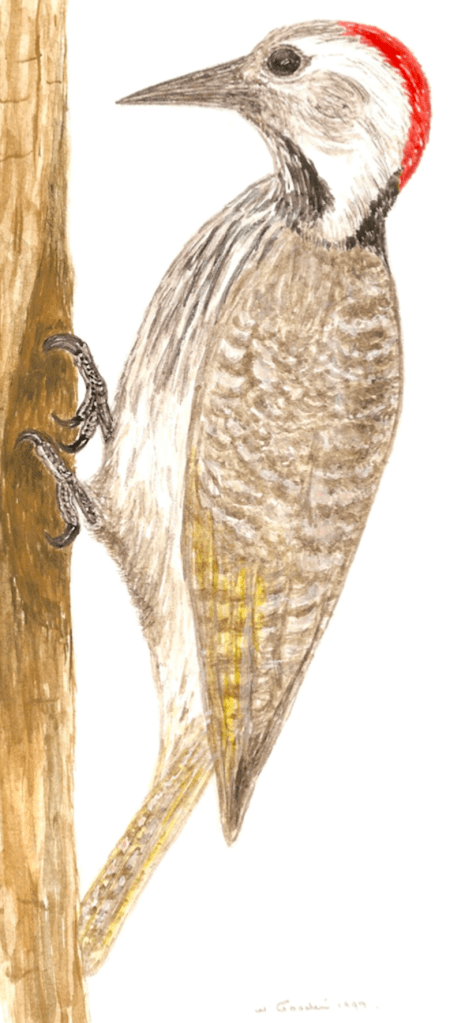
Woodpeckers (Generic)
Hohodza; Chigogodza; Chiohodza – Shona
Kwadzantondo; Chinyamugogoja – Shona
isiQoqodo – Ndebele
Gogonya; Mutanoa – Venda/Sotho
Ghongoswana; Chigongonzwani; Chigosana – Shangaan/Tsonga
Mugogomena – Nambya
Chimagogomweda – baTonga
http://www.biodiversityexplorer.info/birds/picidae/index.htm#

Additional References:
Cooke, P. (1970). Ndebele Bird Names. NADA, vol.10 (2): 67-68.
Maclean, GL. (1985). Roberts’ Birds of Southern Africa (5th ed.). John Voelcker Bird Book Fund, Cape Town, South Africa.
This is the final post on bird names collected while gathering information on birds in Zimbabwean Folklore.
 Birdlore